Comic / Storyboard - Yukata Character Sheet Generator
A comprehensive system-style prompt for creating a high-quality character sheet of a woman in various yukata designs, maintaining physical consistency across different views and color palettes using reference images.
- ModelGPT Image 2
- Aspect9:16
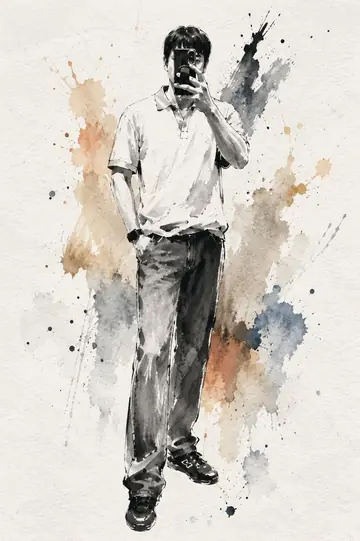
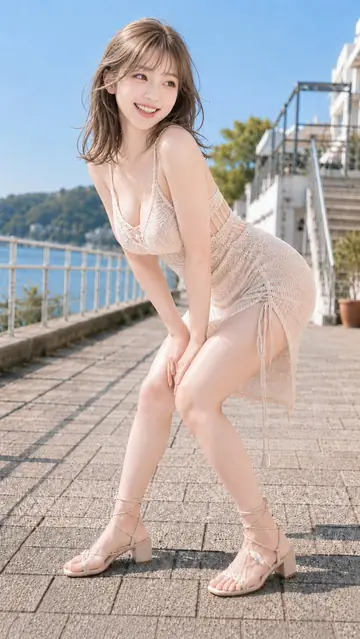
[Final Product to be Created] Using the single full-body reference image of a woman attached along with this instruction as the sole person reference, and using the group of yukata reference images attached simultaneously, create a high-quality photorealistic simple character sheet of the same person wearing a yukata in a specified color scheme. The sheet should be practical and visually appealing for sharing, allowing easy verification of the person, yukata, sash (obi), and face. [Input Items] Aspect Ratio: [1:1 / 9:16] Color Scheme Type: [White-based / Indigo-based / Red-based] If unentered, default to 1:1 and White-based. [References Used] Image A = One full-body reference image of a woman. The sole person reference. Image B = Reference for the white-based color scheme. White to light-colored fabric, light cool-toned pattern colors, light-colored obi. Image C = Reference for the indigo-based color scheme. Indigo fabric, white to light-colored pattern colors, dark-colored obi. Image D = Primary reference for the red-based color scheme and the common pattern framework. White to bright base color, red to dark red pattern colors, dark red obi. Image E = Supplementary reference for the back knot of the obi and traditional Japanese footwear. [Person Consistency] Maintain consistency with Image A in facial features, eyes, contour, nose, mouth, hairstyle, hair color, hair length, bangs, parting, age perception, skin tone, height, shoulder width, rib cage, torso length, waist position, curve, hip roundness, body type, head-to-body ratio, overall proportions, and leg/arm length. Maintain a slender and natural feminine three-dimensionality; do not shorten the torso or make it boxy or flat. Do not inherit clothing, background, or poses from the original image. [Hairstyle Consistency] Make the hairstyle from Image A common across all views. Prohibit hair upsweeps, buns, upstyles, braiding, adding hair ornaments, or using different hairstyles only for SIDE/BACK views. Keep hair in an orderly state, avoiding strong disorder, spreading, jumping, wind-blown collapse, or chaotic hair bundles. Ensure it gathers naturally from the back of the head to the tips even in the BACK view, appearing as the same person with the same hairstyle in all views. [Yukata Design] All three color schemes should be the same design in different colors. Fix the skeleton of the pattern design using Image D as the primary reference, changing only the base color, pattern color, and obi color depending on the scheme. Do not change the type of pattern, main floral motifs, or streamline composition to something different for each scheme. Ensure natural collar overlap, sleeves, bodice, hem, and obi position/wrapping/layering for a beautiful, tidy fit. Give the sleeves and bodice a natural drape. [Color Schemes] White-based: Primarily Image B. White to light ecru base, common pattern in light blue/gray-blue cool tones, light blue obi. Cool and elegant. Indigo-based: Primarily Image B. Indigo to dusty blue base, common pattern in white/light colors, dark navy to deep indigo obi. Calm and dignified. Red-based: Primarily Image D. White to bright ecru base, common pattern in red to dark red tones, dark red to deep magenta obi. Glamorous, mature, and elegant. [Obi & Footwear] Use a half-width obi suitable for yukata, tightening it appropriately around the waist. Do not unnaturally compress the torso, and prevent the obi area from appearing loose and cylindrical due to insufficient tightening. In the BACK view, clearly show a natural knot shape based on Image E. Use the shape and atmosphere of Image E as the primary reference for footwear. [Fixed Layout] Do not change the pre-designated layout. The total is approx. 58% top tier, 42% bottom tier. Top Tier: 01 FRONT (approx. 22%) / 02 SIDE (approx. 22%) / 03 BACK (approx. 22%) / 04 SPECIAL LOOK (approx. 34%). Bottom Tier: 05 FACE (approx. 62%) / 06 REFERENCE / DETAIL (approx. 38%). Views 01-04 include head to footwear. 04 is a larger full-body 3/4 view. 05 consists of three face views: front, diagonal 3/4, and light profile. 06 is an auxiliary frame for verifying the obi, footwear, and common pattern. [02 SIDE Critical Condition] Ensure a clear direct-profile full-body view, avoiding a stiff, board-like stance. Create a side profile where the torso naturally tightens at the obi position, with a smooth transition from natural forward breast thickness -> tightening at the obi -> slight waist curve -> backward hip roundness. Do not make the torso cylindrical, flat, or plank-like. Keep the neck naturally long, shoulders relaxed and dropped, and the back and pelvis naturally stable. Balance feminine three-dimensionality with a beautiful yukata fit even in profile. [Text Display Rules] Display ONLY the text: "01 FRONT", "02 SIDE", "03 BACK", "04 SPECIAL LOOK", "05 FACE", "06 REFERENCE / DETAIL". Do not add Japanese supplements, descriptions, footnotes, annotations, small frame captions, bottom comments, color explanations, or decorative text. Unify the font, color, size, and placement tone of the headings. [Background & Quality] Background is white or very light neutral. Photorealistic, high quality, natural human body/face/hands/feet, no structural breakdown of yukata/obi. Unify identical personhood, body type, and hairstyle across all views. Maintain fixed layout composition/order/roles for both 1:1 and 9:16, adjusting only margins and frame dimensions naturally. [Prohibitions] Changing person, excessive beautification/rejuvenation/aging, small-face filtering, excessive leg lengthening, body type modification, boxy/flat torso, hairstyle change/disorder, different patterns per color scheme, making the torso look cylindrical by showing the obi loosely, turning it into a kimono/dress/cosplay, unauthorized text, flashy backgrounds, information overload, extreme poses. [Most Important] Maintain the same person, body type, and hairstyle from Image A in all views, and establish the common pattern derived from Image D in white/indigo/red schemes. In particular, do not compromise the tightness of the obi in the SIDE view, the feminine side profile, hair stability, and beautiful fitting.
Free account, no API key — or .